













































The power transmission industry is changing rapidly. Aging grid infrastructure, the expansion of renewable energy projects, and the growing demand for uninterrupted electricity have pushed utilities and transformer manufacturers to rethink the components they rely on. Among these, transformer bushings play a critical role in ensuring safe and efficient power transfer. Even a minor issue in a bushing can lead to transformer failure, unexpected outages, and expensive repairs.
For decades, oil-impregnated paper (OIP) bushings dominated the market because of their proven performance. However, the industry is steadily moving toward safer, cleaner, and more reliable alternatives. One technology that has gained significant attention is the RIP Bushing. Designed with advanced insulation materials and an oil-free construction, it offers improved reliability, reduced maintenance requirements, and enhanced operational safety.
As power networks become more complex and utilities focus on long-term asset management, RIP bushings are increasingly viewed as the new benchmark for high-voltage transformer applications.
Understanding RIP Bushing Technology
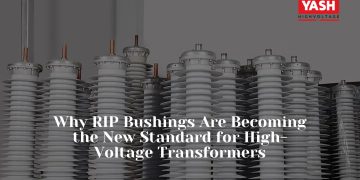
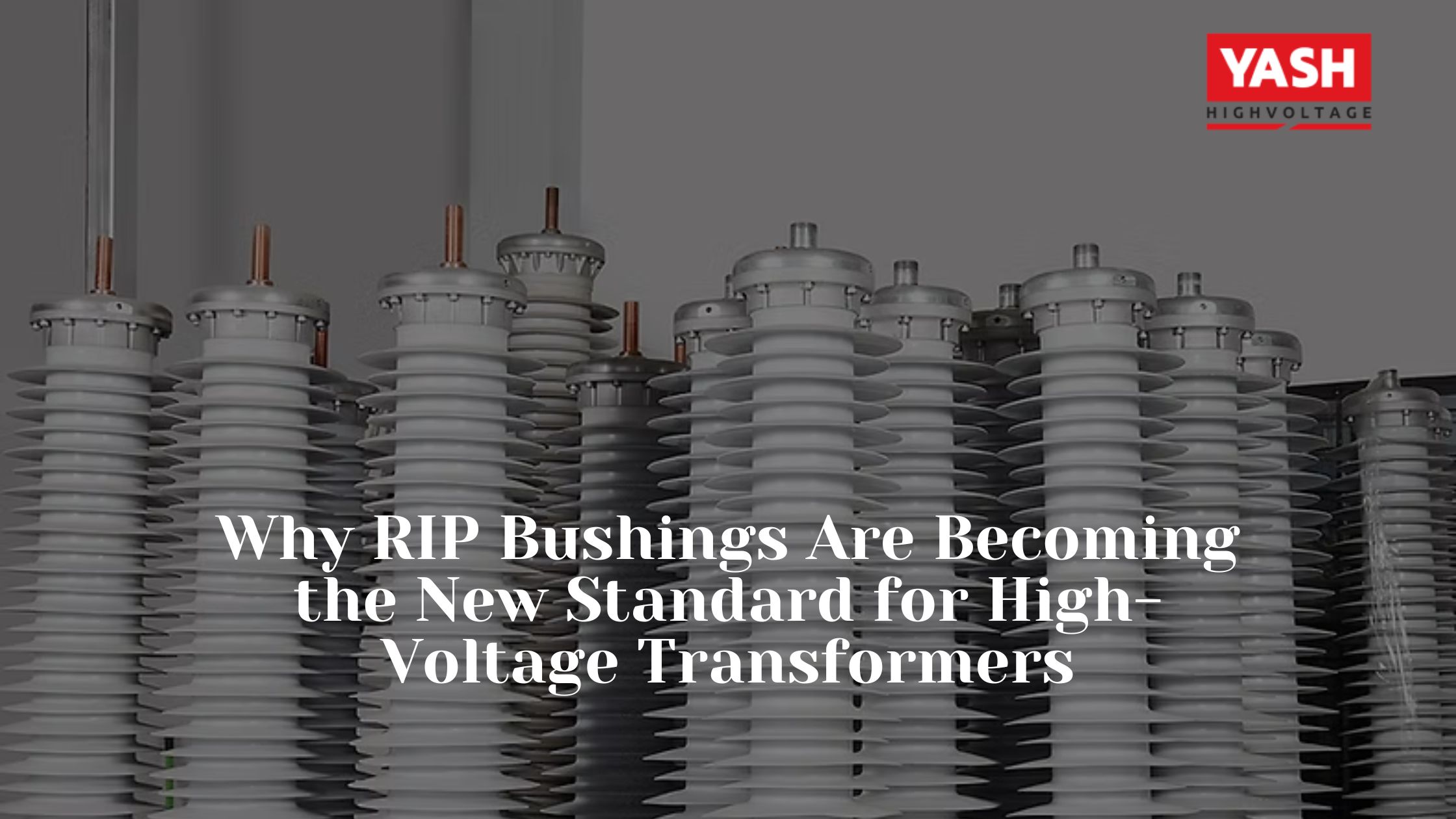
A Resin Impregnated Paper (RIP) bushing is a dry-type transformer bushing in which high-quality insulating paper is vacuum impregnated with epoxy resin. The result is a solid insulation system that does not require insulating oil inside the bushing body. This oil-free design reduces the risk of leakage and minimizes the possibility of fire-related incidents.
Unlike traditional oil-based insulation systems, a RIP Bushing provides excellent mechanical strength and stable electrical performance under a wide range of environmental conditions. It is widely used in power transformers, shunt reactors, GIS installations, and high-voltage substations where reliability is critical.
Why the Industry Is Shifting Toward RIP Bushings
1. Higher Reliability for Critical Infrastructure
Modern power grids cannot afford unexpected transformer failures. Utilities are under constant pressure to improve network availability while reducing maintenance costs. Since bushings are one of the most important transformer accessories, their performance directly affects the reliability of the entire asset.
The solid insulation structure of a RIP Bushing eliminates many issues associated with oil-filled designs, such as leakage, contamination, and insulation degradation caused by moisture ingress. This leads to improved long-term stability and lower failure rates.
2. Oil-Free Design Improves Safety
Safety has become a major factor in equipment selection, particularly for installations located in densely populated areas or industrial facilities. Oil-filled components always carry a certain level of environmental and fire risk due to the presence of insulating liquids.
Because RIP technology is based on dry insulation, there is no internal oil that can leak or contribute to fire hazards. This makes it a preferred option for utilities looking to enhance operational safety and comply with stricter environmental regulations.
3. Lower Maintenance Requirements
One of the biggest challenges for power utilities is balancing maintenance schedules with operational demands. Traditional bushings often require regular inspections to monitor oil levels, leakage, and insulation health.
A properly designed RIP Bushing significantly reduces these concerns. Its sealed and solid insulation system requires less routine maintenance, helping operators lower lifecycle costs while minimizing downtime. Over the long run, reduced maintenance can translate into substantial savings for large transmission networks.
The Role of RIP Bushings in Modern Power Grids
The global energy sector is undergoing a transformation. Renewable energy integration, grid expansion projects, and smart substation developments require equipment capable of handling increasingly dynamic operating conditions.
RIP bushings are well suited to these modern applications because they offer:
- High dielectric strength.
- Excellent thermal and mechanical stability.
- Resistance to environmental stress and moisture.
- Consistent performance across varying load conditions.
As renewable energy sources such as wind and solar become a larger part of the grid, transformers experience more frequent load fluctuations. Advanced bushing technologies help ensure that these valuable assets continue to operate reliably under changing conditions.
Environmental Benefits of RIP Technology
Sustainability is now a key priority for power companies around the world. Organizations are seeking solutions that reduce environmental impact while maintaining high performance standards.
The oil-free construction of RIP bushings supports these goals by eliminating the possibility of oil leakage into the surrounding environment. In addition, fewer maintenance interventions mean lower consumption of replacement materials and reduced operational waste throughout the product lifecycle.
As governments and utilities adopt greener infrastructure strategies, dry-type insulation technologies are expected to play an increasingly important role in future high-voltage projects.
Better Performance in Challenging Conditions
High-voltage transformers often operate in demanding environments, including coastal regions, industrial zones, deserts, and areas with significant temperature variations. Equipment exposed to moisture, pollution, and harsh weather conditions must maintain its insulation integrity over many years.
A RIP Bushing offers strong resistance to environmental influences because its insulation system is compact and free from internal oil cavities. This design helps maintain stable electrical characteristics even when operating under challenging conditions.
The robust mechanical structure also improves resistance to vibration and transportation stresses, making RIP bushings suitable for both new installations and transformer retrofit projects.
Supporting Long-Term Asset Management
Utility companies are increasingly adopting asset management strategies that focus on extending transformer life while reducing unexpected failures. Every component within the transformer must contribute to this objective.
By reducing maintenance needs and improving insulation reliability, RIP bushings align perfectly with modern asset management practices. They help operators:
- Lower total cost of ownership.
- Improve transformer availability.
- Reduce the risk of emergency outages.
- Extend service intervals.
- Enhance overall grid reliability.
For utilities managing hundreds of transformers, these advantages can have a measurable impact on operational efficiency and financial performance.
Why Transformer Manufacturers Prefer RIP Bushings
Transformer OEMs are also embracing RIP technology due to its design flexibility and dependable performance. Modern high-voltage projects often require compact, lightweight, and highly reliable components that can meet international quality standards.
RIP bushings provide manufacturers with a solution that supports advanced transformer designs while delivering consistent field performance. Their compatibility with digital monitoring systems and condition-based maintenance strategies further increases their value for next-generation substations.
As more countries invest in grid modernization and infrastructure expansion, the demand for high-quality dry-type bushings is expected to continue growing.
The Future of High-Voltage Transformer Insulation
The evolution of transformer insulation technology reflects the changing priorities of the power sector. Reliability, safety, sustainability, and lifecycle cost are now just as important as initial equipment performance.
While OIP bushings continue to serve many existing installations, new projects increasingly favor technologies that offer long-term operational advantages. RIP bushings address many of the challenges utilities face today, from reducing maintenance requirements to improving environmental performance and supporting modern grid infrastructure.
With continuous advancements in material science and manufacturing techniques, RIP technology is likely to become an even more important part of the future energy landscape.
Conclusion
As the global power industry moves toward smarter and more resilient infrastructure, the demand for advanced transformer components continues to grow. The shift toward dry-type insulation technologies reflects a broader focus on safety, sustainability, and long-term reliability. A RIP Bushing offers utilities and transformer manufacturers a dependable solution that reduces maintenance needs, minimizes environmental risks, and supports the efficient operation of high-voltage assets.
For organizations planning new installations or upgrading existing transformer fleets, selecting the right bushing technology can significantly improve asset performance and operational efficiency. Companies with deep engineering expertise and a commitment to quality are helping drive this transition.
Yash Highvoltage is among the leading manufacturers dedicated to delivering innovative high-voltage bushing solutions for the global power industry. With a strong focus on engineering excellence, international quality standards, and customer-specific requirements, Yash Highvoltage continues to support utilities, OEMs, and infrastructure projects with reliable and future-ready transformer bushing technologies.
Frequently Asked Questions (FAQs)
1. What is a RIP Bushing?
A RIP (Resin Impregnated Paper) Bushing is a dry-type high-voltage transformer bushing that uses resin-impregnated paper as its main insulation system instead of oil-based insulation.
2. Why are RIP bushings becoming more popular?
They offer improved safety, reduced maintenance, oil-free operation, and better long-term reliability compared to many conventional bushing technologies.
3. Where are RIP bushings commonly used?
RIP bushings are widely used in power transformers, shunt reactors, gas-insulated switchgear (GIS), and high-voltage substations across transmission and distribution networks.
4. How do RIP bushings improve transformer reliability?
Their solid insulation structure reduces the risks associated with oil leakage, moisture ingress, and insulation degradation, helping lower the chances of unexpected failures.