







































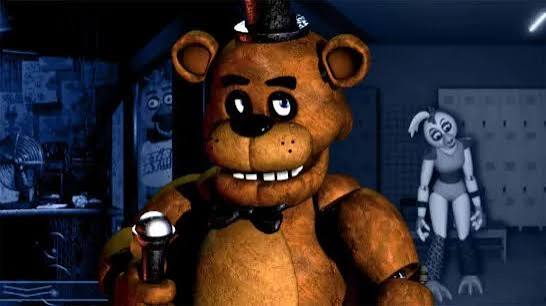
If you’ve ever wanted to experience genuine tension without leaving your desk, horror games offer something movies and books simply can’t deliver—the weight of your own choices and the knowledge that mistakes are yours alone. Unlike passive entertainment, playing horror games puts you in the driver’s seat, transforming fear into an interactive puzzle you must solve.
What Makes Horror Games Different
Horror games stand apart because they demand your active participation. You’re not watching a character navigate danger; you’re the one making split-second decisions while your heart races. This shift from observer to participant creates an intensity that’s hard to replicate elsewhere. The best horror experiences exploit what you don’t see as much as what you do, leaving room for your imagination to fill in the terrifying blanks.
One perfect entry point into this genre is FNAF. This game became a phenomenon not through flashy graphics or jump scares alone, but through elegant game design that forces you to manage limited resources while something genuinely unknown lurks in the darkness. It’s accessible yet challenging, straightforward yet deeply engaging.
Understanding the Gameplay Loop
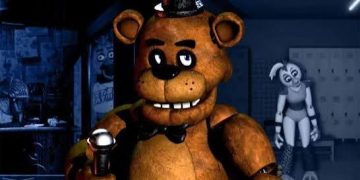
In FNAF, you’re a security guard stationed in an office at a defunct pizzeria. Your job sounds simple: survive five nights. What complicates matters is that the animatronic mascots roaming the building have developed… let’s call it a problematic interest in your location. Your survival depends on understanding patterns and managing a dwindling power supply.
The core mechanic revolves around monitoring security cameras and sealing doors. You have limited power—a resource that depletes faster with each defensive action—and you must decide which areas to watch and which to protect. This creates constant tension because every decision carries weight. Do you close the left door to slow an approaching threat, knowing it drains power faster? Or do you risk staying vulnerable to preserve energy for later?
What makes this experience compelling is that nothing is explained through tutorials. You learn through trial and error, discovering the animatronics’ movement patterns yourself. That first time Freddy’s eyes glow in the darkness as he moves down the hallway creates genuine dread because you’ve earned that fear through gameplay rather than having it handed to you.
The game respects your intelligence. It doesn’t hold your hand or telegraph every threat. Instead, it trusts you to adapt and learn, which makes victories feel earned rather than given. Each night increases difficulty, introducing new variables that force you to abandon old strategies and think creatively.
Practical Tips for Your First Night
When you start FNAF, resist the urge to constantly check cameras. Each camera view burns through your limited power, and paranoia can be as dangerous as complacency. Instead, develop a methodical routine—check cameras in a set pattern, not frantically jumping between views.
Pay attention to audio cues. The game communicates through sounds just as much as visuals. Strange noises often signal movement in areas you can’t currently see. Learning to interpret these audio warnings will save you more times than you expect.
Don’t panic-close doors. Doors consume enormous amounts of power, so use them strategically rather than reactively. Close them only when you’re certain a threat is immediate. This forces you to trust your observations and judgments, which honestly feels better than mindlessly sealing every entrance.
The later nights become increasingly overwhelming, and that’s intentional. The game wants you to feel pressure mounting. Accept that some attempts will end in failure—that’s part of the experience. Each failure teaches you something valuable about threat patterns or power management that makes your next attempt stronger.
Start with the original game before exploring sequels. Later entries experiment with new mechanics, but the first game’s pure design is perfect for understanding what makes FNAF work as an experience.
Why This Game Matters
FNAF proved that horror games didn’t need photorealistic graphics or massive budgets to terrify players. Instead, it demonstrated that clever design, smart resource management, and psychological tension create something far more frightening than any visual effect. The game became a cultural phenomenon because it understood that real horror isn’t about what you’re shown—it’s about what you imagine might happen next.
Playing FNAF teaches you valuable lessons about pacing, tension, and how games can manipulate emotion through mechanics rather than just atmosphere. You finish a playthrough understanding why it works, which makes it an excellent game for anyone curious about game design or interactive storytelling.
Final Thoughts
Horror games offer a unique form of entertainment where you’re not just experiencing fear—you’re creating it through your choices. FNAF remains the perfect gateway into this genre because it respects players, demands engagement, and delivers genuine tension without requiring a powerful gaming rig or complex controls.
If you’ve been curious about horror games but hesitant to jump in, there’s no better time than now. Your next five nights at a pizzeria await, and trust us—you’ll never look at mascots quite the same way.