







































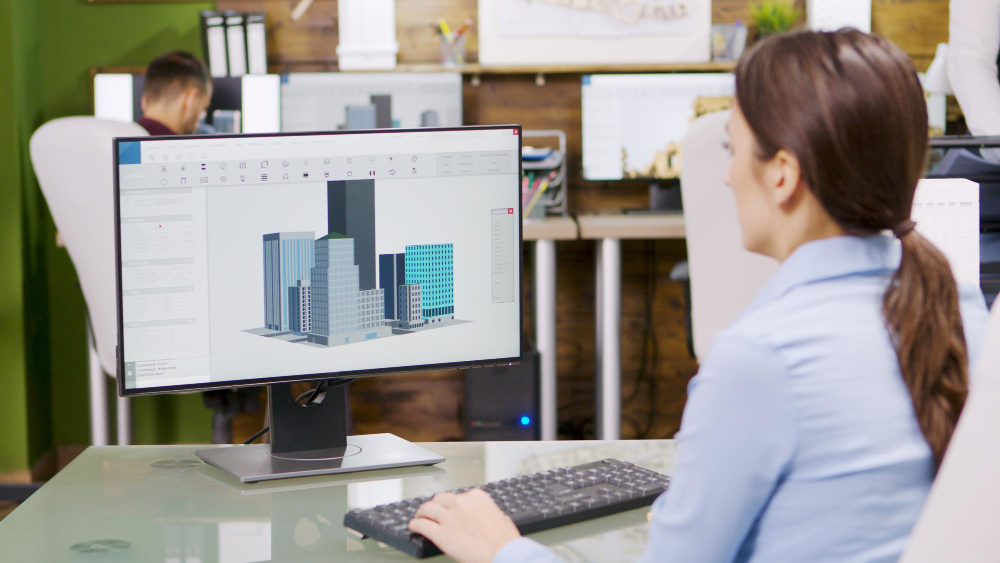
A scan-to-BIM model represents a building at a specific moment in time. On the day it is delivered, the model is precise, verified, and aligned with the physical space it documents. It reflects real measurements taken from real surfaces in the real building.
But buildings do not stand still. And the moment a space changes, the model begins to drift from reality.
Understanding how long a BIM modeling investment remains useful, and what determines whether it stays relevant for two years or twenty, helps organizations get significantly more value from the work they have already paid for.
What Causes a Model to Lose Accuracy
A scan-to-BIM model does not degrade on its own. The file does not corrupt. The geometry does not shift. What changes is the building itself, and every physical modification that is not reflected in the model widens the gap between the digital record and the actual space.
The most common changes that erode a model’s accuracy include:
- Tenant improvements that relocate walls, doors, or ceilings
- MEP system modifications such as rerouted ductwork, added electrical panels, or relocated plumbing
- Equipment additions or removals that alter room layouts and clearances
- Space reconfigurations that combine or divide rooms
- Accessibility upgrades that change door widths, ramp locations, or restroom layouts
- Exterior modifications such as new entrances, canopies, or facade treatments
In a stable building with few modifications, a model may remain accurate for years. In a high-turnover environment where tenant buildouts, equipment swaps, or space reconfigurations happen regularly, the model’s useful life is considerably shorter.
The Difference Between Outdated and Useless
A model that no longer reflects every current condition is not necessarily useless. The structural frame of a building rarely changes. Core and shell elements, stairwells, elevator shafts, and major mechanical risers typically remain constant.
What changes more frequently are the interior partitions, finishes, fixtures, and secondary systems that tenants and occupants interact with. An organization that understands which parts of its model are still reliable and which may have drifted can make informed decisions about when and where to update, rather than discarding the entire model and starting over.
This distinction matters financially. A targeted re-scan and model update of the areas that have changed costs a fraction of a full building re-documentation.
What Extends the Useful Life
The organizations that get the longest value from their scan-to-BIM models share a few common practices:
- They document modifications when they happen. This prevents the gradual accumulation of unrecorded changes that eventually make the entire model untrustworthy.
- They track which areas have changed. Even when immediate model updates are not feasible, maintaining a simple log of which spaces were modified and when gives future teams a clear picture of where the model is still accurate and where it needs verification.
- They store models accessibly. Organizations that keep their BIM modeling deliverables in an organized, accessible location with clear naming conventions and version tracking get far more use from them over time.
- They plan periodic reviews. Rather than waiting until a model is obviously outdated, some organizations schedule periodic reviews to assess which areas need updating based on the volume and nature of changes since the last documentation.
When a Full Re-Scan Makes Sense
There are situations where updating the existing model is not practical and a full re-scan is the better investment:
- The building has undergone a major renovation that altered the majority of its interior
- The original model was produced at a level of detail that no longer meets the organization’s current needs
- The model was created by a previous provider, and the file quality, standards, or format make it difficult to update
- So many incremental changes have occurred without documentation that the model’s reliability is no longer known
Treating Documentation as a Living Asset
The scan to BIM model is not a one-time deliverable with a fixed expiration date. It is a living record that can serve an organization for years if it is maintained, or become obsolete in months if it is not. The shelf life depends less on the technology and more on the organization’s commitment to keeping the record current.
Architectural Resource Consultants (ARC) is a trusted, top-tier provider of professional scan-to-BIM and BIM modeling services nationwide. ARC’s licensed architects and LOA-certified technicians help organizations not only capture accurate building data but build the practices that keep it useful over time. With over 25 years of experience, ARC is the reliable partner organizations turn to when they want lasting value from their building documentation. Learn more at arc-corporate.com.