















































Digestive health plays an important role in overall well-being, yet problems involving the stomach, intestines, liver, and digestive system are common. Southern Gastro Specialists represents the type of specialized medical care patients may seek when they need professional evaluation and treatment for gastrointestinal conditions. Gastroenterology focuses on diagnosing, managing, and preventing disorders affecting the digestive tract and related organs.
Whether a person experiences persistent abdominal discomfort, changes in bowel habits, acid reflux, or other digestive symptoms, consulting a qualified gastroenterology specialist can help identify the underlying cause and determine an appropriate treatment plan.
What Is Gastroenterology?
Gastroenterology is a medical specialty focused on the digestive system. Gastroenterologists are physicians trained to evaluate conditions involving organs such as the esophagus, stomach, small intestine, colon, rectum, liver, gallbladder, and pancreas.
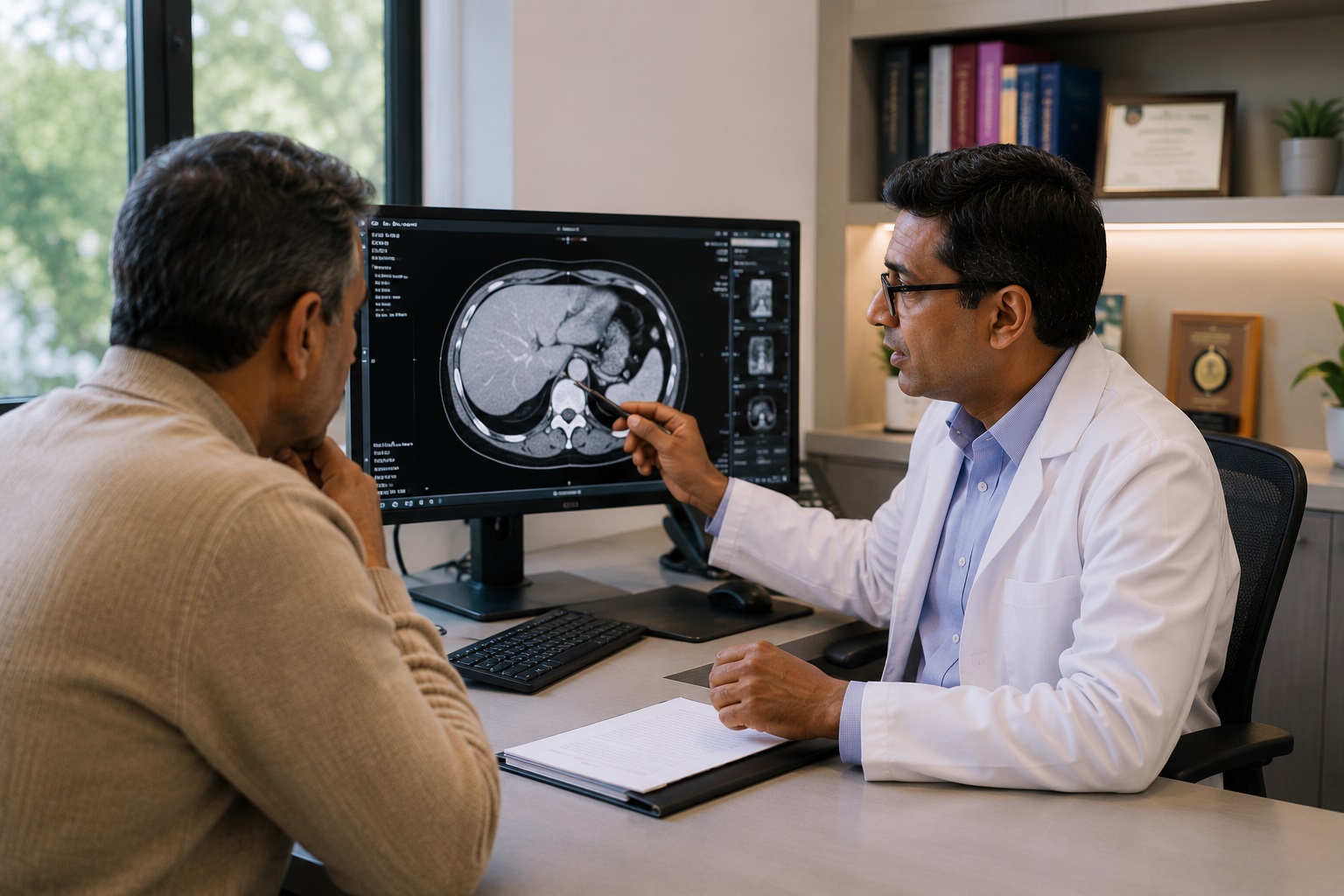
Digestive symptoms can sometimes be caused by relatively minor problems, while in other cases they may indicate a condition requiring medical attention. A gastroenterologist can use a patient’s medical history, physical examination, laboratory testing, imaging, and specialized procedures to reach a diagnosis.
Conditions Treated by Gastro Specialists
A gastroenterology practice may provide care for a wide range of digestive conditions. Common problems include gastroesophageal reflux disease, commonly known as GERD, which can cause heartburn and acid reflux. Specialists may also evaluate patients experiencing chronic indigestion, nausea, abdominal pain, constipation, or diarrhea.
Other conditions commonly managed by gastroenterologists include irritable bowel syndrome, inflammatory bowel disease, celiac disease, diverticular disease, and gastrointestinal infections. More complex conditions involving the liver, gallbladder, and pancreas may also require specialized gastroenterology care.
Because symptoms can overlap between different digestive disorders, professional evaluation is important rather than relying solely on self-diagnosis.
Importance of Preventive Gastrointestinal Care
Gastroenterology is not only about treating existing symptoms. Preventive care is also an important part of maintaining digestive health. Depending on age, personal risk factors, family history, and medical guidelines, patients may be advised to undergo certain screening procedures.
Colorectal cancer screening is one important example. Screening can help identify precancerous growths or cancer at an earlier stage, when treatment may be more effective. A gastroenterologist can discuss appropriate screening options and determine which approach is suitable for an individual patient.
Diagnostic Procedures
Gastro specialists have access to several diagnostic tools that can help investigate digestive problems. One of the most familiar procedures is a colonoscopy, which allows a physician to examine the lining of the colon and rectum. During the procedure, doctors can identify abnormalities and, when appropriate, remove certain polyps for further examination.
An upper endoscopy, also known as an esophagogastroduodenoscopy or EGD, examines the upper digestive tract, including the esophagus, stomach, and beginning of the small intestine. It may be used to investigate symptoms such as persistent heartburn, difficulty swallowing, unexplained nausea, or upper abdominal discomfort.
Other diagnostic methods may include blood tests, stool tests, ultrasound, CT scans, MRI examinations, and specialized gastrointestinal testing.
What to Expect From a Gastroenterology Appointment
During an initial appointment, a gastroenterology specialist will generally discuss the patient’s symptoms, medical history, medications, lifestyle, and relevant family history. Patients should be prepared to explain when symptoms began, how frequently they occur, and whether certain foods or activities make them better or worse.
Depending on the symptoms, the specialist may recommend additional testing or treatment. Keeping a record of digestive symptoms and medications before an appointment can make the discussion more productive.
Supporting Digestive Health
Professional treatment is important when symptoms persist, but everyday habits can also contribute to digestive wellness. Eating a balanced diet that includes appropriate amounts of fiber, drinking sufficient fluids, staying physically active, and maintaining a healthy weight can support general digestive health.
Individual dietary needs vary, however. People with diagnosed gastrointestinal conditions may require specific dietary recommendations from their physician or a registered dietitian. It is therefore best to avoid making major dietary changes based solely on general information found online.
When to Seek Medical Attention
Some digestive symptoms deserve prompt medical evaluation. Persistent abdominal pain, unexplained weight loss, blood in the stool, black or tarry stools, ongoing vomiting, difficulty swallowing, or significant changes in bowel habits should not be ignored.
The appropriate level of care depends on the severity and nature of the symptoms. Emergency symptoms should receive immediate medical attention rather than waiting for a routine gastroenterology appointment.
Conclusion
Southern Gastro Specialists reflects the important role that specialized gastroenterology care can play in maintaining digestive health. From common concerns such as acid reflux and bowel problems to more complex gastrointestinal and liver conditions, gastroenterologists provide specialized evaluation, diagnosis, treatment, and preventive care.
Patients experiencing persistent or concerning digestive symptoms should speak with a qualified healthcare professional. With appropriate evaluation, preventive screening, and individualized treatment, specialized gastroenterology care can help patients better understand their digestive health and make informed decisions about their ongoing wellness.