













































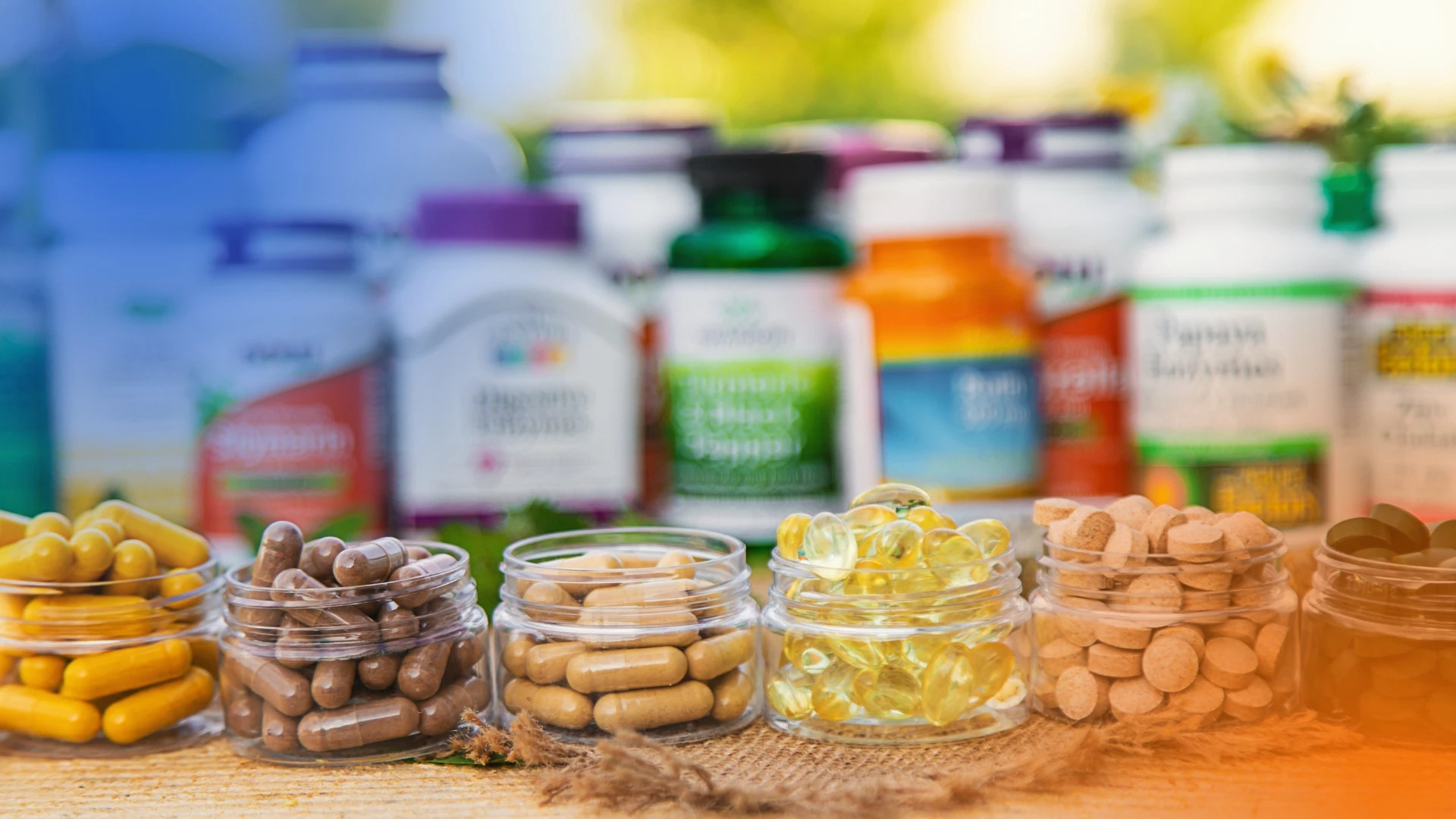
Natural health products, including vitamins, minerals, herbal products, and other supplements, are widely used by Canadians as part of their everyday wellness routines. When shopping for these products, consumers may notice an NPN, or Natural Product Number, displayed on the packaging. Understanding what an NPN means can help shoppers make more informed decisions when choosing supplements in Canada.
What Is an NPN?
An NPN is an eight-digit number issued by Health Canada to licensed natural health products. It indicates that the product has been reviewed by the Canadian regulator and is authorized for sale in Canada under the conditions stated on its product licence.
Natural health products can include a broad range of products, such as vitamins, minerals, traditional medicines, herbal remedies, probiotics, and certain other health products. The NPN helps distinguish authorized products from supplements that have not received the required Canadian product licence.
Consumers can usually find the NPN on the product label. It may appear near other important information, such as the recommended use, dosage, medicinal ingredients, and warnings.
Why Is an NPN Important?
An NPN provides consumers with an additional way to identify regulated natural health products. Before granting a product licence, Health Canada assesses information submitted by the manufacturer or product licence holder. Depending on the product, this can include evidence related to safety, efficacy, quality, and the conditions under which the product is recommended for use.
However, an NPN should not be interpreted as a guarantee that a supplement is appropriate for every individual. A licensed product can still have risks, interactions, contraindications, or side effects. Consumers should follow the label directions and seek professional advice when necessary.
How to Check an NPN
Consumers can verify product information through Health Canada’s online resources. Searching for an NPN can help confirm whether the number corresponds to the product being sold and can provide information about its authorized ingredients, recommended use, and other licence details.
When purchasing supplements online, checking the NPN can be especially useful. A product may be advertised as a natural health product or supplement, but consumers should not assume that every product sold online has the same regulatory status in Canada.
It is also important to make sure the NPN on the package matches the product name and formulation. If the information does not correspond, consumers may want to contact the seller or manufacturer before using the product.
What Types of Products Can Have an NPN?
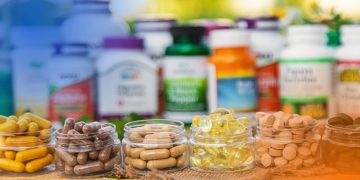
NPN-licensed products cover a wide variety of natural health products. Common examples include vitamin D supplements, multivitamins, mineral products, herbal preparations, probiotics, and traditional medicines.
The authorized conditions of use can vary significantly from one product to another. Two supplements containing similar ingredients may have different recommended uses, strengths, or dosage instructions. Therefore, consumers should read the complete label rather than relying only on the ingredient name or marketing claims.
Buying NPN-Licensed Supplements Online
Online shopping provides access to a large selection of supplements, but it also requires careful attention. Consumers should purchase products from reputable retailers and examine the product label before ordering whenever possible.
Be cautious about products making unusually strong promises, particularly claims suggesting that a supplement can diagnose, treat, or cure serious diseases without appropriate medical care. Marketing language is not a substitute for a product’s authorized use.
Consumers should also check the expiration date, packaging condition, storage instructions, and ingredient list. If a product arrives damaged, improperly sealed, or significantly different from the advertised item, it may be best not to use it until the issue has been resolved.
NPN Does Not Mean Risk-Free
Although an NPN indicates that a natural health product has been licensed for sale in Canada, it does not mean that the product is completely risk-free. Natural ingredients can affect the body and may interact with prescription medications or other supplements.
People who are pregnant or breastfeeding, taking medication, preparing for surgery, managing a chronic condition, or considering supplements for children should consult an appropriate healthcare professional before using a new product.
Following the recommended dose is also important. Taking larger amounts does not necessarily provide greater benefits and may increase the risk of adverse effects.
Conclusion
NPN-licensed supplements in Canada provide consumers with an important way to identify natural health products that have been authorized for sale under Canada’s regulatory framework. Checking the NPN, reading the product label carefully, purchasing from reputable sources, and understanding the product’s authorized conditions of use can help consumers make more informed choices.
Most importantly, an NPN should be viewed as a regulatory identifier rather than a promise that a product is suitable for everyone. Responsible supplement use involves considering individual health needs, following directions, and seeking professional advice when appropriate. With these precautions, Canadian consumers can approach natural health products with greater awareness and confidence.