
















































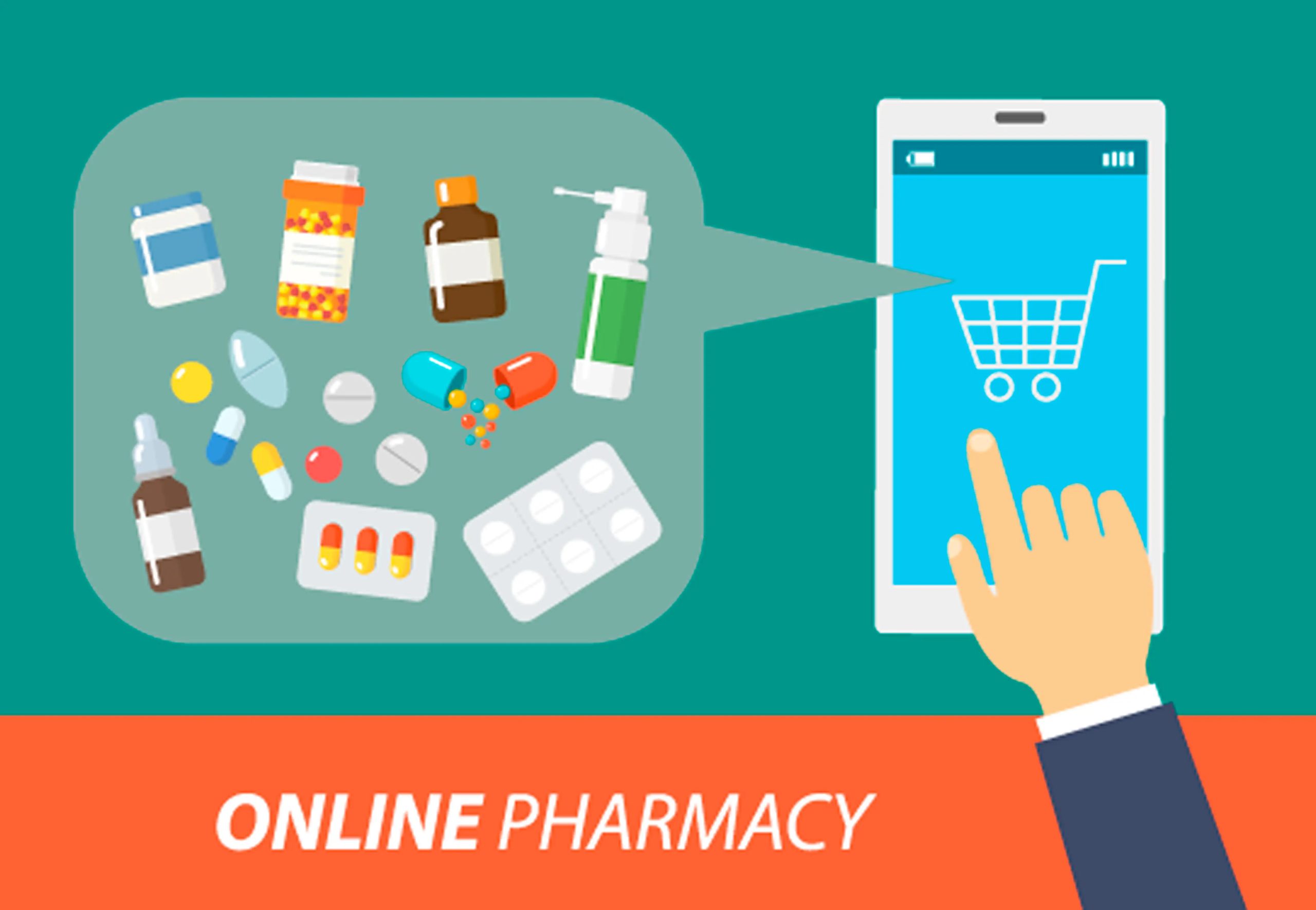
The growth of digital services has transformed many aspects of everyday life, including the way people purchase healthcare products and medicines. An online pharmacy allows customers to order medicines, wellness products, personal care items, and other healthcare essentials through a website or mobile application. Instead of visiting a traditional pharmacy, customers can browse available products from home and have eligible orders delivered to their preferred address.
Online pharmacies have become increasingly popular because they combine convenience with easy access to healthcare products. However, customers should always choose legitimate and properly licensed pharmacies and follow professional medical advice when purchasing or using medicines.
What Is an Online Pharmacy?
An online pharmacy is a digital pharmacy service that allows customers to purchase healthcare products through the internet. Depending on the pharmacy and local regulations, services may include prescription medicines, over-the-counter products, vitamins, medical supplies, skincare products, and personal care items.
For prescription medicines, a legitimate online pharmacy generally requires a valid prescription or works with a healthcare professional to verify the prescription. Rules can vary significantly between countries and regions, so customers should understand the requirements that apply to them.
Convenience of Online Pharmacy Services
One of the biggest advantages of an online pharmacy is convenience. Customers can search for products, compare available options, place orders, and arrange delivery without making a trip to a physical store.
This can be particularly helpful for people with busy schedules or those who have difficulty traveling. Patients who regularly need non-controlled prescription medicines may also appreciate the ability to arrange refills and deliveries according to their treatment plan, where permitted.
Online ordering can also make it easier to organize household healthcare purchases. Instead of visiting several stores, customers can often find medicines, personal care products, first-aid supplies, and other essentials in one place.
Wide Selection of Healthcare Products
Many online pharmacies provide a broad selection of products. Depending on the service, customers may find prescription medicines, pain-relief products, allergy treatments, digestive-health products, first-aid supplies, skincare items, and other healthcare essentials.
Some online pharmacies also offer medical equipment and wellness products. This variety can make online shopping useful for people who want to purchase several healthcare-related items at the same time.
However, a large product selection does not mean every product is appropriate for every individual. Medicines can have side effects, interactions, age restrictions, and other safety considerations. Customers should consult a doctor or pharmacist when they are uncertain about a product.
Prescription Management
Prescription management is another important feature offered by some online pharmacies. Customers may be able to upload or electronically submit prescriptions, request refills, and receive reminders when it is time to reorder eligible medicines.
These services can make medication management more organized. Nevertheless, patients should never change their dosage, stop taking a prescribed medicine, or begin a new treatment solely because of information found online. A qualified healthcare professional should guide decisions about prescription medicines.
How to Choose a Reliable Online Pharmacy
Safety should be the top priority when selecting an online pharmacy. Customers should verify that the pharmacy is properly licensed or authorized to operate in their country or region. The website should provide clear information about the company, pharmacist access, customer support, privacy practices, and prescription requirements.
Be cautious of websites that offer prescription medicines without requiring prescriptions when one is legally required. Extremely low prices, unclear business information, or claims that a medicine can cure serious diseases without professional evaluation can also be warning signs.
Customers should avoid purchasing medicines from websites that do not provide adequate information about the products or their source. Authentic medicines should be properly packaged and labeled, and customers should check expiration dates and packaging when orders arrive.
Protecting Personal Information
Online pharmacy transactions may involve sensitive personal and health information. Before creating an account or placing an order, customers should review the pharmacy’s privacy and security policies.
Using strong passwords and avoiding suspicious links can also help protect personal information. Customers should be particularly careful when entering payment details or uploading prescriptions and identification documents.
The Future of Online Pharmacy Services
Technology is likely to continue changing the way people access pharmacy services. Digital prescription management, home delivery, medication reminders, online pharmacist consultations, and improved ordering systems can make healthcare more convenient for many consumers.
At the same time, convenience must be balanced with safety. Regulations, professional oversight, secure handling of patient information, and access to qualified pharmacists remains essential parts of responsible online pharmacy services.
Conclusion
An online pharmacy can provide a convenient way to purchase medicines and healthcare products without visiting a physical store. Its benefits include home delivery, broad product selection, convenient prescription management, and easier access to healthcare essentials.
However, customers should always prioritize safety. Choosing a legitimate pharmacy, following prescription requirements, protecting personal information, and consulting healthcare professionals when necessary can help ensure a safer online pharmacy experience. As digital healthcare continues to develop, responsible online pharmacy services are likely to become an increasingly important part of modern healthcare.