






























![Top 5 Places to Commission a Custom Dining Table in Dubai [2026]](https://insidethenation.com/wp-content/uploads/2026/08/2151037464-360x180.jpg)











Most home gyms get abandoned. Equipment collects dust, motivation fades, and what started as a serious investment becomes an expensive storage rack. The reasons are usually the same: the space was uncomfortable to train in, or the equipment did not support enough variety to sustain consistent workouts. Decisions made early in the build process have more influence over long-term use than almost anything else.
Start With Versatility, Not Volume
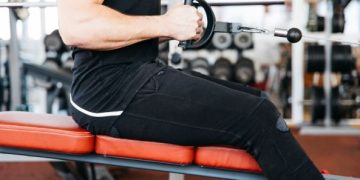
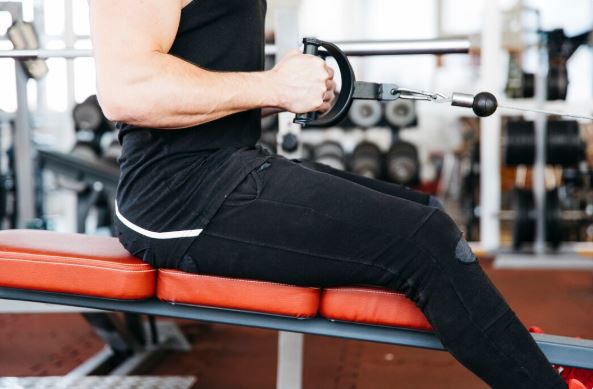
New gym builders often make the mistake of chasing the most impressive-looking equipment first. From cable machines and full rack systems to specialty bars, none of it matters much if the fundamentals are not covered. One of the most versatile pieces of equipment a home gym can have is a quality adjustable bench. It supports flat, incline, and decline pressing movements, serves as a base for dumbbell rows, step-ups, and split squats, and doubles as a seated platform for shoulder work and tricep extensions. A single adjustable bench opens up dozens of exercises that would otherwise require separate machines.
The key is buying for longevity. Cheaper benches feel adequate at first but tend to wobble under heavy loading and compress over time. A well-built bench rated to commercial-grade weight capacities will hold up for years without degrading. Look for:
- Stable welds with no flex under load
- Dense pad material that does not compress flat within a year
- An adjustment mechanism that locks securely at every angle without creaking or shifting mid-set
- A weight capacity rating that exceeds your current working weights by a significant margin
Don’t Overlook Flooring
Equipment gets nearly all the attention in a gym build. The flooring rarely does, at least not until something goes wrong. A dropped dumbbell chips a concrete slab. A treadmill vibrates through every wall in the house. A barbell rolls off an uneven surface. These are preventable problems. Good gym flooring solves all of them before they happen.
For most home setups, rubber is the practical standard. It absorbs impact, reduces noise, protects the subfloor from heavy equipment, and provides a non-slip surface for dynamic movements. The thickness needed depends on the training style:
- 1/4 inch: Suitable for cardio equipment and machines with no dropping involved
- 3/8 inch: A practical option for slightly heavier use, light drops, and machine-based training
- 1/2 inch: Recommended for general strength training with moderate drops
- 3/4 inch or thicker: Best suited for heavy barbell work with frequent drops
One practical approach for mixed-use spaces is to use 3/8-inch flooring throughout and add a dedicated lifting platform in the area where heavy drops occur. This keeps costs manageable without compromising protection where it matters most.
Interlocking rubber tiles are popular because they are easy to install, cut to fit irregular spaces, and replace individually if a section gets damaged. Rolled rubber provides a seamless finish better suited to larger areas. Either option is meaningfully better than training on bare concrete or carpet, both of which create real problems over time.
Plan the Layout Before You Buy Anything
A home gym that feels cramped quickly becomes one that gets avoided. Before purchasing equipment, measure the available space and map out where each piece will go. Account for the room needed to move around each piece safely, not just the footprint of the equipment itself.
A practical approach is to start lean: an adjustable bench, a rack or a set of dumbbells, and proper gym flooring covering the training area. This creates a functional space from day one rather than a cluttered one that grows harder to navigate as more equipment is added.
Getting More Gym for Your Money
The home gym industry offers no shortage of entry-level options. Benches under a hundred dollars, foam puzzle tiles, lightweight everything. The appeal is obvious, especially when setting up a gym for the first time and trying to keep costs manageable.
The problem is that cheap equipment underperforms and breaks down quickly. A bench that flexes under a working weight is a hazard, not a training tool. Flooring that degrades within a year needs replacing, often at a higher total cost than buying quality the first time. Used commercial equipment occupies a practical middle ground. Gear built to withstand hundreds of users per week in a professional facility is engineered to a standard most residential products never approach, and is often available at a price that makes it genuinely accessible.
Well-chosen gym equipment may not make a home gym look like a magazine feature. But they will make it somewhere a person actually trains consistently, safely, and without the frustrations that send cheaper setups into storage.