










































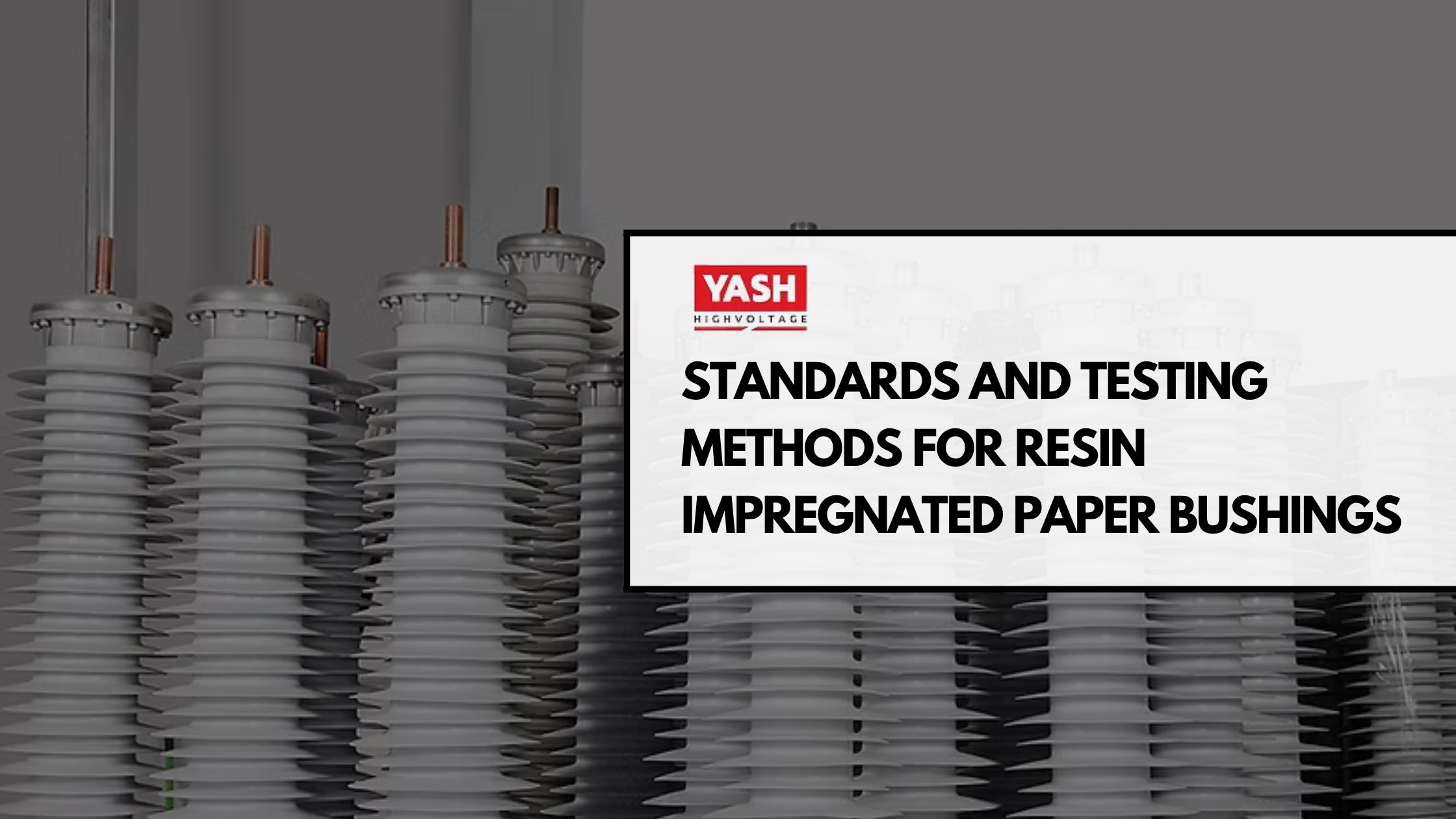
In high-voltage power systems, the reliability of insulation components plays a crucial role in ensuring safe and uninterrupted operations. Among these components, Resin Impregnated Paper Bushings (RIP Bushings) have become a preferred choice due to their excellent electrical and mechanical performance. However, their effectiveness largely depends on strict adherence to international standards and thorough testing methods.
Understanding these standards and testing procedures is essential for manufacturers, engineers, and power utilities aiming to maintain system safety and long-term reliability.
Importance of Standards in RIP Bushings
Standards provide a structured framework to ensure that electrical components meet safety, quality, and performance requirements. For Resin Impregnated Paper Bushings, international standards define parameters such as insulation strength, thermal stability, and environmental resistance.
Organizations like IEC (International Electrotechnical Commission) and IEEE set guidelines that manufacturers must follow. These standards ensure:
Consistent product quality
Enhanced operational safety
Compatibility with high-voltage equipment
Reduced risk of failure
By complying with these standards, manufacturers can deliver bushings that perform reliably under demanding electrical conditions.
Key Testing Methods for RIP Bushings
To ensure compliance with standards, Resin Impregnated Paper Bushings undergo several critical tests. These tests evaluate both electrical and mechanical properties.
1. Dielectric Testing
This test measures the insulation strength of the bushing. It ensures that the bushing can withstand high voltage without breakdown, which is crucial for preventing electrical failures.
2. Partial Discharge Measurement
Partial discharge testing helps detect internal insulation defects. Low discharge levels indicate high-quality insulation, which directly contributes to longer service life.
3. Thermal Stability Testing
RIP Bushings must perform efficiently under varying temperatures. Thermal tests assess the material’s ability to withstand heat without degradation.
4. Mechanical Strength Testing
This test evaluates the bushing’s ability to handle mechanical stress during installation and operation, ensuring durability in real-world conditions.
5. Moisture Resistance Testing
Since moisture can significantly impact insulation performance, this test ensures that the bushing remains unaffected in humid environments.
Why Testing and Standards Matter
Strict testing and adherence to standards are not just formalities—they directly impact the performance and safety of power systems. Poorly tested bushings can lead to insulation failure, equipment damage, and costly downtime.
By following proper testing protocols, manufacturers can:
Improve product reliability
Extend equipment lifespan
Ensure safety in high-voltage applications
Minimize maintenance and operational risks
Applications in Power Industry
Resin Impregnated Paper Bushings are widely used in:
Power transformers
Switchgear systems
Substations
High-voltage transmission equipment
Their ability to operate without oil makes them environmentally friendly and reduces the risk of leakage or fire hazards.
Choosing the Right Manufacturer
Selecting a reliable manufacturer is equally important as understanding standards and testing methods. High-quality production processes, strict quality checks, and adherence to international standards are key factors to consider.
For industries seeking dependable and high-performance solutions, exploring trusted providers of Resin Impregnated Paper Bushings can ensure long-term efficiency and safety in power systems.
Conclusion
Standards and testing methods play a vital role in ensuring the reliability and safety of Resin Impregnated Paper Bushings. From dielectric strength to thermal stability, each testing parameter contributes to the overall performance of the component.
As power systems continue to evolve, the importance of high-quality, well-tested insulation solutions becomes even more critical. By prioritizing compliance with international standards, industries can achieve safer, more efficient, and long-lasting electrical infrastructure.
Trusted manufacturers like Yash HighVoltage focus on maintaining strict quality standards and advanced testing practices to deliver reliable solutions for modern power applications.
FAQs
Q1: What are Resin Impregnated Paper Bushings?
A: Resin Impregnated Paper (RIP) Bushings are high-voltage insulation components used in transformers, switchgear, and power systems for reliable and safe operations.
Q2: Why are testing standards important for RIP Bushings?
A: Testing standards ensure the electrical, mechanical, and thermal performance of bushings, reducing failure risks and ensuring compliance with global safety guidelines.
Q3: Which tests are commonly performed on RIP Bushings?
A: Common tests include dielectric testing, partial discharge measurement, thermal stability testing, mechanical strength, and moisture resistance evaluation.
Q4: How do I choose a reliable manufacturer?
A: Select manufacturers who follow international standards, conduct rigorous testing, and provide high-quality RIP Bushings, like trusted providers in the industry.
Q5: Where are RIP Bushings commonly used?
A: RIP Bushings are widely used in power transformers, switchgear systems, substations, and high-voltage transmission equipment.