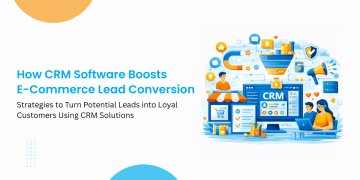












































E-commerce businesses generate traffic more easily than ever. Paid ads, social platforms, and marketplaces drive visitors in large numbers. Yet conversion remains a serious challenge. Industry data from 2024 shows that nearly 79 percent of e-commerce visitors leave without completing a purchase. Even more concerning, a large percentage never return.
The issue is rarely product quality. Most failures happen after the first interaction. Leads arrive, browse, hesitate, and disappear. Without a system that tracks behavior and guides follow-ups, businesses lose momentum. CRM software fills this gap by connecting data, timing, and customer intent into a single workflow that supports long-term loyalty.
Why E-Commerce Leads Often Fail to Convert
Most e-commerce journeys are fragmented. A user might browse products on mobile, abandon the cart, and later open a promotional email on desktop. When these actions remain disconnected, businesses fail to respond properly.
Many stores still rely on basic analytics tools. These tools show traffic numbers but not intent. They cannot explain why a customer hesitated or what message might bring them back.
CRM software focuses on behavior, not just visits. It records interactions over time and reveals patterns that basic tools miss.
CRM Software in the Context of Online Retail
CRM software is not just a contact database. In e-commerce, it acts as a behavioral record system. Every action contributes to a customer profile.
This includes:
- Product views
- Cart activity
- Purchase history
- Support conversations
Businesses working with a CRM Software Development Company often customize these data points. Generic CRM tools rarely align perfectly with e-commerce workflows. Tailored CRM Development Solutions help teams act on data instead of storing it passively.
Lead Capture Is Only the First Step
Many e-commerce teams believe capturing emails equals success. In reality, lead capture only opens the door.
What matters is what happens next.
CRM systems track when a lead shows buying intent. Repeated product views, time spent on pricing pages, or cart creation all signal interest. Without CRM, these signals go unused.
With CRM in place, businesses can respond at the right moment instead of relying on guesswork.
How CRM Helps Decode Customer Behavior
Customer behavior rarely follows a straight path. Some buyers research for weeks. Others decide within minutes. CRM software makes sense of these differences.
Over time, patterns emerge. Businesses learn which products require longer consideration and which convert quickly. They also see which customers respond to reminders and which prefer silence.
This understanding shapes smarter decisions. Pricing strategies, messaging tone, and even product bundling improve when teams rely on behavior data instead of assumptions.
Personalization That Feels Relevant, Not Forced
Customers expect relevance. Generic messages no longer work.
CRM software supports personalization by grouping users based on actions, not demographics alone. A returning visitor who viewed the same product three times needs a different message than a first-time browser.
Effective CRM Development Solutions allow dynamic personalization across channels. Emails, notifications, and on-site messages adapt automatically. This relevance increases trust and conversion without appearing intrusive.
Managing Customer Journeys Across Channels
E-commerce customers rarely stay on one channel. They switch devices and platforms frequently.
CRM software creates a single timeline for each customer. Marketing, sales, and support teams access the same information. This prevents repeated questions and conflicting messages.
When customers feel recognized across channels, confidence increases. That confidence often leads to repeat purchases.
Follow-Ups That Actually Make Sense
Most follow-ups fail because they happen at the wrong time.
CRM systems automate follow-ups based on behavior. A reminder appears after genuine interest, not random timing. This approach respects customer intent.
Automation also reduces manual workload. Teams spend less time chasing leads and more time improving experience quality.
Cart Abandonment Is a Data Problem
Cart abandonment frustrates every e-commerce business. Studies show that nearly 70 percent of carts never reach checkout.
CRM software reveals why this happens. Shipping costs, payment friction, or lack of trust often appear in patterns. Once identified, these issues become fixable.
Businesses using CRM insights often reduce abandonment by adjusting checkout flow rather than increasing discounts.
Customer Support Plays a Bigger Role Than Expected
Support interactions strongly influence loyalty. A slow or uninformed response often ends a relationship permanently.
CRM software equips support teams with full customer context. Agents see order history and previous issues instantly. Problems resolve faster, and conversations feel more personal.
Satisfied customers return more often than those attracted by discounts alone.
Turning Buyers into Repeat Customers
The first purchase is only the beginning. Long-term growth depends on retention.
CRM systems track post-purchase behavior and schedule timely engagement. Replenishment reminders, usage tips, or related product suggestions keep brands relevant.
When engagement matches customer needs, loyalty grows naturally.
Reporting That Supports Smarter Growth
CRM reporting goes beyond sales numbers. It highlights lead quality, conversion timelines, and customer lifetime value.
These insights guide marketing spend and product planning. Businesses stop investing blindly and start optimizing based on results.
This clarity becomes essential as competition increases.
Why Custom CRM Development Matters
Off-the-shelf CRM tools work initially. As businesses scale, limitations appear.
Custom CRM Development Solutions align software with real workflows. Integration with storefronts, payment systems, and logistics becomes smoother.
A CRM Software Development Company helps businesses design systems that grow with them instead of slowing them down.
Security and Trust Cannot Be Optional
Customer data carries responsibility. CRM systems must protect sensitive information.
Strong access control, encryption, and compliance practices build trust. Customers notice when brands respect privacy.
Trust directly affects loyalty and repeat business.
Conclusion
Converting leads into loyal customers requires more than traffic or promotions. It requires understanding behavior, timing engagement, and maintaining consistency across channels.
CRM software gives e-commerce businesses this capability. When supported by the right CRM Software Development Company, tailored CRM Development Solutions turn fragmented data into meaningful relationships. In an increasingly competitive market, this approach separates short-term sellers from long-term brands.
FAQs
1. How does CRM software help e-commerce conversion?
It tracks behavior and enables timely, relevant engagement.
2. Can CRM reduce cart abandonment?
Yes, by identifying patterns and enabling targeted follow-ups.
3. Is CRM useful for small e-commerce stores?
Yes, especially for retention and repeat purchases.
4. When should businesses choose custom CRM development?
When growth demands flexibility and deeper integration.
5. Does CRM improve customer loyalty?
Yes, through consistent and personalized experiences.

Casey Morgan is a Digital Marketing Manager with over 10 years of experience in developing and executing effective marketing strategies, managing online campaigns, and driving brand growth. she has successfully led marketing teams, implemented innovative digital solutions, and enhanced customer engagement across various platforms.