









































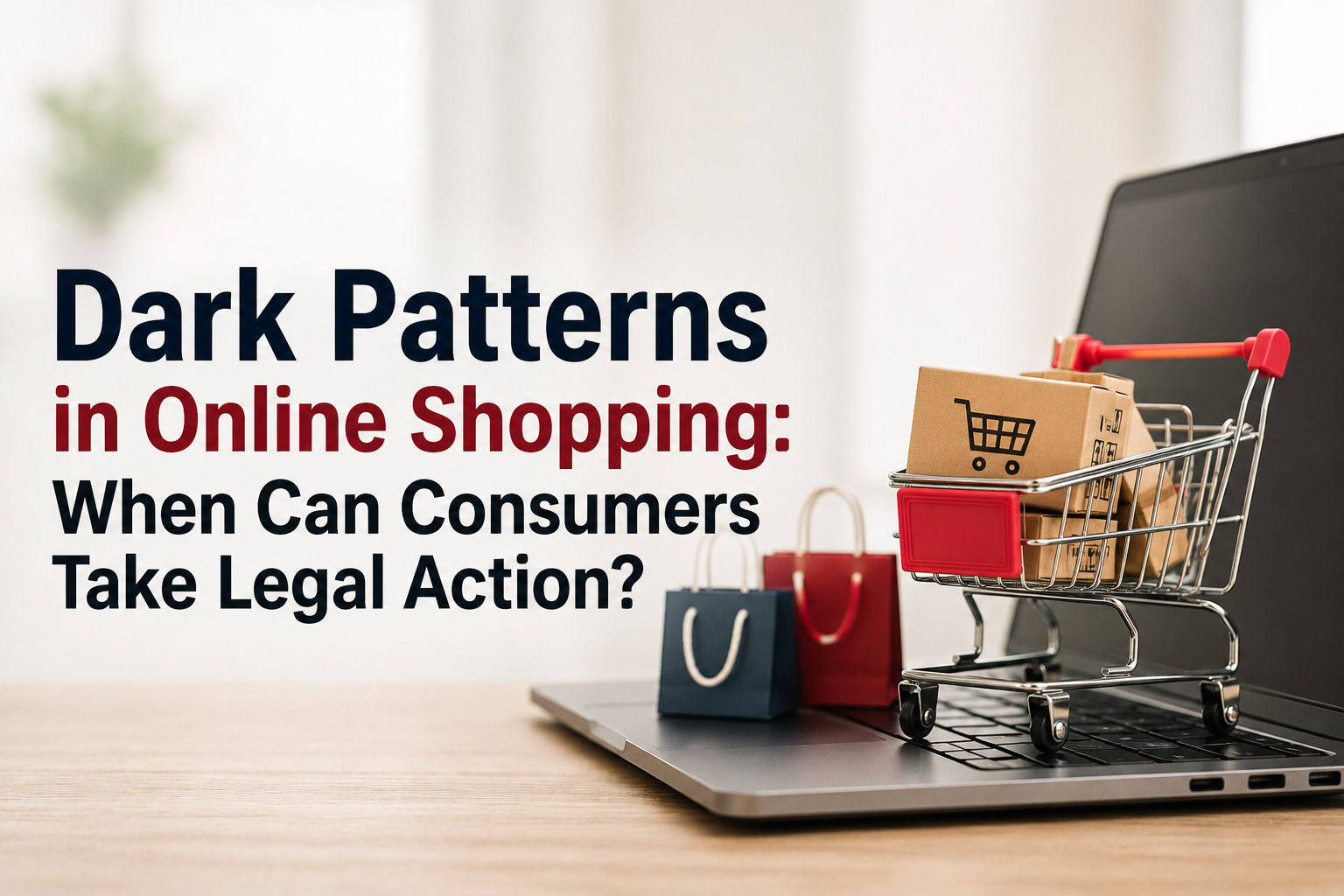
Online shopping has made life easier, offering convenience, competitive prices, and endless choices. However, not every digital shopping experience is transparent. Many consumers unknowingly fall victim to dark patterns—design techniques that manipulate users into making decisions they may not have intended. These deceptive practices can lead to unwanted purchases, hidden subscriptions, misleading discounts, or difficulty obtaining refunds.
As online transactions continue to grow, consumers are becoming more aware of their legal rights. If you have experienced unfair or deceptive practices while shopping online, understanding when legal action is appropriate can help protect your interests. Seeking guidance from consumer protection attorneys in Chandigarh can also help you determine the best course of action in complex consumer disputes.
What Are Dark Patterns?
Dark patterns are deceptive website or app design techniques that influence users into taking actions against their best interests. Rather than helping consumers make informed decisions, these tactics exploit human behavior to increase sales or collect personal data.
Common examples include:
- Hidden charges added during checkout
- Automatically selected add-on services
- Difficult cancellation or subscription processes
- Misleading countdown timers creating false urgency
- Fake scarcity messages such as “Only 2 items left”
- Confusing button placements that encourage accidental purchases
- Forced account creation before completing a transaction
While some marketing strategies are legitimate, practices designed to intentionally mislead consumers may violate consumer protection laws.
Why Are Dark Patterns Becoming a Serious Concern?
Consumers today rely heavily on digital platforms for shopping, travel bookings, food delivery, healthcare services, and financial transactions. As competition increases, some businesses use manipulative interface designs to maximize conversions instead of focusing on transparency.
These deceptive practices can result in:
- Financial losses
- Unauthorized recurring payments
- Difficulty claiming refunds
- Misleading product expectations
- Privacy concerns due to unwanted data collection
Many consumers only realize they have been manipulated after the payment has already been processed.
Common Dark Patterns Consumers Should Watch For
Hidden Fees During Checkout
A product may appear affordable initially, but additional service charges, processing fees, or convenience fees are added only at the final payment stage.
Subscription Traps
Many platforms offer free trials that automatically convert into paid subscriptions without providing clear reminders or simple cancellation options.
Fake Discounts
Some websites artificially increase the original price before advertising a significant discount, creating a false impression of savings.
Confirmshaming
Consumers may encounter emotionally manipulative messages like:
- “No thanks, I don’t like saving money.”
- “I prefer paying full price.”
These messages pressure users into accepting offers they may not actually want.
Difficult Cancellation Processes
Signing up often requires only one click, while cancelling a subscription may involve multiple pages, customer support calls, or unnecessary verification steps.
When Do Dark Patterns Become a Legal Issue?
Not every aggressive marketing strategy is illegal. However, legal concerns arise when businesses intentionally deceive consumers or conceal important information.
Legal action may be appropriate if:
- Important charges were intentionally hidden.
- False product claims influenced the purchase.
- Refund policies were misleading.
- Subscription renewals occurred without proper disclosure.
- Consumers were prevented from exercising their cancellation rights.
- Essential terms and conditions were concealed or presented deceptively.
When businesses fail to provide transparent information, consumers may have valid legal grounds to pursue compensation or dispute resolution.
What Should Consumers Do Before Taking Legal Action?
Before filing a complaint, consumers should collect all available evidence.
Helpful documentation includes:
- Order confirmations
- Payment receipts
- Screenshots of advertisements
- Product descriptions
- Emails and chat conversations
- Refund requests
- Bank transaction records
Maintaining proper documentation significantly strengthens a consumer’s position during dispute resolution.
Available Legal Remedies for Consumers
Depending on the circumstances, consumers may have several options available.
These may include:
- Requesting refunds from the seller
- Filing complaints through appropriate consumer grievance mechanisms
- Seeking compensation for financial losses
- Challenging unfair contractual terms
- Reporting deceptive trade practices to relevant authorities
The appropriate legal remedy depends on the specific facts of each case.
Why Professional Legal Advice Matters
Consumer disputes involving online platforms can become complicated, particularly when businesses deny responsibility or operate across multiple jurisdictions.
Experienced consumer protection attorneys in Chandigarh can help consumers:
- Evaluate the strength of a claim
- Interpret consumer protection laws
- Prepare legal documentation
- Negotiate settlements
- Represent clients during dispute resolution proceedings
Legal guidance can often save time while improving the chances of a favorable outcome.
Tips to Avoid Dark Patterns While Shopping Online
Consumers can reduce risks by following a few practical precautions.
- Read the complete checkout summary before payment.
- Avoid making purchases under artificial time pressure.
- Carefully review subscription terms.
- Take screenshots of advertised prices.
- Read refund and cancellation policies before ordering.
- Monitor bank statements for recurring charges.
- Shop only from reputable online platforms whenever possible.
Awareness remains one of the strongest defenses against deceptive online practices.
Conclusion
Dark patterns are becoming increasingly sophisticated, making it more difficult for consumers to recognize deceptive online practices. Hidden charges, misleading discounts, subscription traps, and manipulative interface designs can all result in financial loss and frustration.
Understanding your legal rights is essential when facing unfair digital business practices. If an online seller has engaged in deceptive conduct or denied legitimate consumer rights, seeking professional legal advice at the right time can help you pursue an effective resolution.
For reliable legal guidance in consumer disputes, Sandeep Kumar Verma & Associates Law Office provides professional legal assistance across consumer protection matters. Their experienced legal team assists individuals in understanding their rights and pursuing appropriate legal remedies for unfair trade practices and consumer disputes.
FAQs
1. What are dark patterns in online shopping?
Dark patterns are deceptive website or app design techniques that manipulate consumers into making purchases, subscriptions, or decisions they did not intentionally choose.
2. Can I take legal action against an online seller for hidden charges?
Yes. If hidden charges were intentionally concealed or misleading information influenced your purchase, you may have legal remedies depending on the circumstances. Consulting consumer protection attorneys in Chandigarh can help you understand your options.
3. What evidence should I collect before filing a consumer complaint?
Keep payment receipts, order confirmations, screenshots, emails, chat records, refund requests, and any advertisements related to the transaction.
4. Are subscription traps considered unfair business practices?
If a business fails to clearly disclose automatic renewals or makes cancellation unnecessarily difficult, the practice may raise consumer protection concerns.
5. When should I consult a consumer protection attorney?
You should seek legal advice if a business refuses a legitimate refund, engages in deceptive practices, imposes hidden charges, or causes financial loss through misleading online transactions.