






































There’s something oddly satisfying about watching digital fruits tumble and merge on your screen. If you’ve stumbled across the viral sensation sweeping gaming communities, you’ve probably encountered the wonderful world of watermelon puzzle games. These deceptively simple yet incredibly addictive games have captured the hearts of casual gamers worldwide, and for good reason.
What’s All the Fuss About?
Watermelon puzzle games represent a refreshing take on the puzzle genre. Unlike traditional match-three games that require lightning-fast reflexes or complex strategy, these games invite you to slow down and think methodically. The premise is straightforward: drop fruits onto a play area, watch them fall like Tetris pieces, and combine matching fruits to create larger ones.
The magic happens when you merge two identical fruits together—they combine into the next fruit in the progression. Two strawberries become a peach. Two peaches become an orange. Keep going, and eventually you’re working toward that ultimate goal: the titular watermelon.
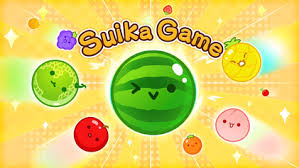
Suika Game stands as the definitive example of this genre. Originally released on Nintendo Switch, its mobile adaptation gained tremendous popularity thanks to its zen-like gameplay and satisfying fusion mechanics. The game’s charm lies in its simplicity combined with surprising depth.
Understanding the Gameplay Loop
Getting started with a watermelon puzzle game is refreshingly simple. You’ll see a rectangular container and a dropping fruit at the top. Your only input is horizontal movement—slide your fruit left or right before it lands. That’s it. No complicated controls, no overwhelming menus. Just you and your fruit placement decisions.
Here’s where strategy enters the picture. When fruits land, they follow gravity rules. They stack on top of each other and on the container’s walls. When two identical fruits touch, they automatically merge upward into the next fruit type. This creates a satisfying chain reaction when you line things up correctly.
The challenge emerges because your container has limited space. You can’t just drop fruits anywhere without thinking ahead. As your fruits grow larger, they consume more space. Before you know it, your container fills up, and you’re facing a game over. That’s the core tension: you must create matches before running out of room.
The game feeds you random fruits as you progress, keeping you from simply planning a perfect strategy from start to finish. You need to adapt and make the best of what you’re given. Some rounds give you helpful small fruits. Other times, you’ll be cursed with multiple large fruits that are difficult to combine.
Strategies to Keep Your Game Alive Longer
While watermelon puzzles aren’t about winning in the traditional sense, they are about achieving your personal best and surviving longer. Here are some practical approaches.
Think vertically, not horizontally. Your instinct might be to spread fruits across the container’s width, but this wastes valuable space. Instead, focus on building vertical stacks. When you stack matching fruits vertically and merge them, you create tall chains that free up floor space.
Plan two moves ahead. Look at your falling fruit and anticipate where it should land. Consider not just where it will merge, but what that merger creates and how it affects your overall layout. Will your next fruit have space to land? Good placement now prevents disaster later.
Don’t panic about big fruits. Large fruits seem intimidating, but they’re actually valuable. They take up visual space but represent progress toward your goal. The real danger comes from scattered small fruits that consume space without contributing much.
Maintain organized sections. Try to keep similar fruit sizes in different areas of your container. This prevents awkward situations where a fruit you need lands in a crowded zone with incompatible neighbors. Clear spaces on both sides of your container give you options.
Accept that luck matters. Sometimes the game simply doesn’t give you what you need. You might need strawberries but keep receiving lemons. That’s fine. The game isn’t about perfection—it’s about making peace with randomness and doing your best regardless.
Why These Games Feel So Good
There’s psychology behind the addiction factor. The constant micro-decisions create a meditative state. Your brain stays engaged without feeling stressed. The visual and audio feedback when fruits merge provides genuine satisfaction. Your score slowly climbs, giving you a sense of progression without crushing time pressure.
These games also respect your time. A round lasts as long as you want it to. There’s no waiting for energy to recharge or timers ticking down. You control the pace completely.
Final Thoughts
Watermelon puzzle games like Suika Game succeed because they understand that fun doesn’t require complexity. Sometimes the best gaming experiences come from simple mechanics executed well, combined with that perfect difficulty sweet spot where you’re always one good move away from victory.
Happy merging!