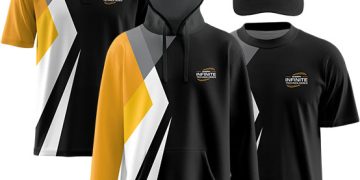









































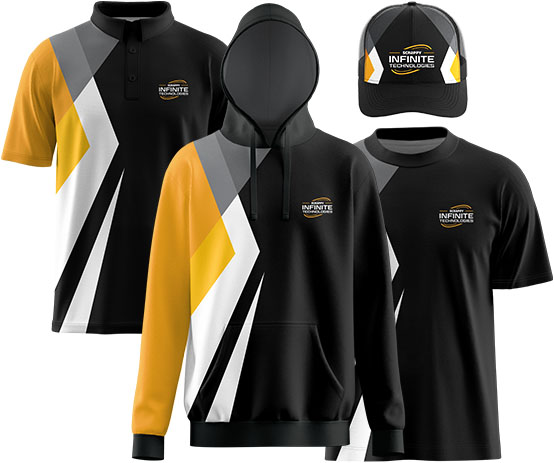
Technology companies approach uniforms differently from most industries. “Uniform” can feel like a loaded word for teams that value flexibility, but branded apparel still matters for conferences, product launches, onboarding, and building team identity across offices or remote locations.This guide covers what technology companies should consider before placing an order for tech uniforms, from garment selection to print methods to fulfillment.
Define the Purpose First
Before selecting garments or print methods, clarify what you’re trying to accomplish:
- Conference and event apparel: Staff shirts for trade shows, hackathons, or product launches
- Everyday team wear: Hoodies, tees, or polos that employees actually want to wear
- Onboarding kits: Welcome packages for new hires
- Customer-facing uniforms: Consistent looks for field teams or support staff
Each use case has different requirements. Knowing the purpose upfront shapes every decision that follows.
Choose Garments Your Team Will Actually Wear
Technology teams are particular about what they wear. Stiff or uncomfortable apparel ends up in the back of a closet.
For cotton basics: Soft-hand t-shirts and hoodies work well for casual environments. Look for retail-quality construction that holds up after washing.
For a polished look: Polos and quarter-zips bridge casual and professional, working well for conferences or customer-facing roles.
For lightweight performance: Sublimated pieces on breathable fabrics, such as S-cool, suit travel, warmer climates, or all-over graphics.
For layering: Zip-ups and hoodies let teams adapt to different environments while displaying branding prominently.
Understand Your Print Method Options
The print method affects how your branding looks, feels, and holds up over time.
Screen printing works best on cotton and cotton-blend garments like t-shirts, hoodies, and sweatshirts. It delivers bold, vibrant colors with a durable finish. Tech screen printing programs for software companies often use this method for everyday team wear and event apparel.
Screen printing also supports specialty inks—including discharge for a soft vintage feel, water-based for breathability, and effects like metallic or puff for standout pieces.
Sublimation printing works on poly-blend performance fabrics. It produces edge-to-edge graphics with sharp detail and a lightweight feel since the ink becomes part of the fabric. This method suits all-over designs or pieces where breathability matters.
Plan for Sizing Complexity
Technology companies often have distributed teams across multiple offices or remote locations. Getting sizing right requires more planning than a single batch order.
Collect accurate size data. Have team members select their own sizes, and provide fit guidance so expectations align with reality.
Account for size distribution. Order quantities should reflect your actual team composition, not a standard bell curve.
Consider fit options. Offering unisex and relaxed fits gives team members choices that work for different preferences.
Build in buffer stock. For ongoing programs, keep extra inventory for new hires and replacements.
Think About Fulfillment Early
For technology companies with multiple offices or remote teams, getting apparel to the right people is a logistics challenge.
- Centralized shipping sends apparel to one location for internal distribution, keeping costs lower.
- Distributed shipping sends apparel directly to individuals or office locations, requiring accurate addresses and clear labeling.
- Inventory storage maintains stock that ships as needed, speeding up fulfillment for ongoing programs.
- Kitting services bundle multiple items into packages for onboarding kits, conference boxes, or VIP gifts.
Lock Designs Before Finalizing Quantities
Design changes late in the process cause delays. Artwork revisions can reset production timelines after proofs are approved.
Finalize artwork early—confirm logo placement, colors, and sizing before quantities are locked. Once designs are approved, quantities can still flex within reason.
Build a Repeatable Program
Technology companies attend conferences, hire employees, and refresh apparel regularly. Each order shouldn’t feel like starting over. Document what works—track which garments fit well and which size ratios matched your team. This becomes the foundation for future orders.
A production partner who saves your artwork and color specs makes reorders faster and more consistent. Standardize by use case so “conference apparel” or “onboarding kit” means the same thing every time. Over time, tech uniforms become a predictable part of operations rather than a recurring scramble.
Conclusion
Branded apparel for technology companies works best when it’s planned with purpose. The right garments, print methods, and fulfillment approach turn uniforms from a checkbox into something teams actually value. Define your goals, select pieces your team will wear, and build a process that scales as your company grows.